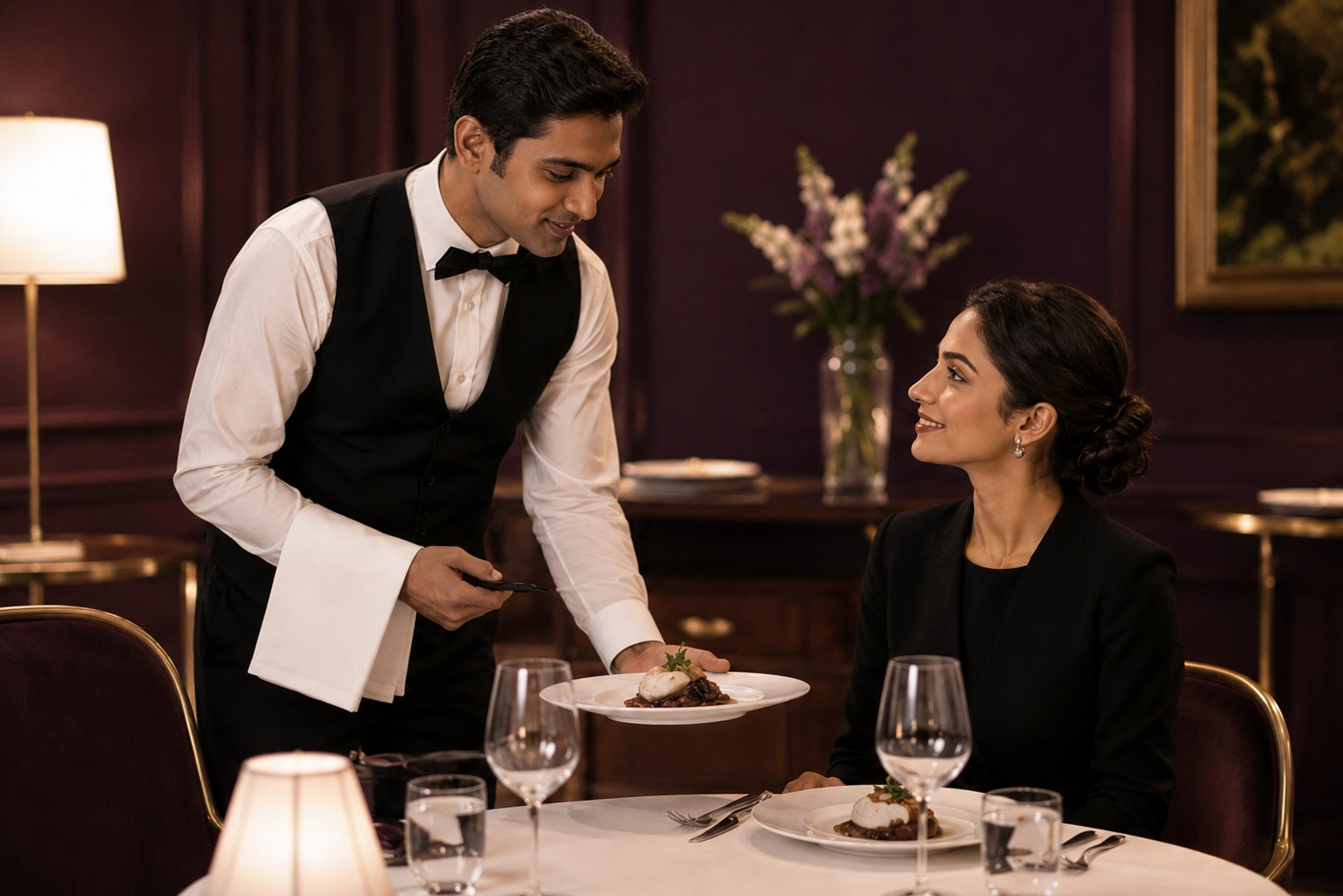
Hospitality and Restaurant Etiquette: From Welcoming Guests to Providing Excellent Service
A memorable restaurant experience involves much more than good food. The way guests are welcomed, how efficiently their needs are addressed and the attention they receive throughout their visit can influence whether they return. In the hospitality industry, professional behaviour and thoughtful service help create an atmosphere where customers feel comfortable, valued and respected.
Understanding hospitality etiquette helps restaurant teams maintain service standards while creating positive experiences for guests from different backgrounds and with different expectations.
1. Welcome Guests with Warmth and Professionalism
The first interaction sets the tone for the entire dining experience. A friendly greeting, a natural smile and a helpful approach can make guests feel welcome from the moment they arrive.
Restaurant staff should acknowledge arriving customers promptly, confirm reservations when necessary and guide them to their tables without unnecessary delays. If the restaurant is busy, explaining the expected waiting time politely is better than leaving guests uncertain.
A welcoming attitude should feel genuine rather than rehearsed, allowing customers to relax and enjoy their visit.
2. Understand Guest Needs Before Offering Assistance
Excellent service requires attentiveness without making guests feel rushed or constantly observed. Staff should recognise when customers need assistance, whether they are ready to order, require clarification about a dish or have a special request.
Listening carefully helps prevent mistakes and misunderstandings. Servers should be familiar with menu ingredients, portion sizes and available options so they can answer questions accurately.
When a request cannot be accommodated, explaining the situation respectfully and suggesting an alternative demonstrates a solution-oriented approach.
3. Maintain Professional Dining Service
Consistent service depends on coordination, timing and attention to detail. Orders should be communicated accurately to the kitchen, dishes delivered to the correct tables and dietary requirements handled carefully.
Staff should avoid interrupting conversations unnecessarily, reaching across guests when serving and discussing internal problems in front of customers. Table clearing should be discreet and guided by the guests’ needs.
These practices support smooth service while allowing diners to enjoy their meals without unnecessary interruptions.
4. Practise Appropriate Table and Workplace Manners
Restaurant etiquette applies to both staff and guests. Employees should maintain a neat appearance, use respectful language and communicate professionally with colleagues. Team members should coordinate responsibilities rather than allowing disagreements to affect customers.
Staff should also understand cultural differences in greetings, personal space, dining preferences and communication styles. Respectful service does not assume that every guest has identical expectations.
5. Handle Complaints with Patience
Even well-managed restaurants may experience delays, incorrect orders or service concerns. The way staff respond can determine whether a disappointing moment becomes a lasting negative impression.
Listen without interrupting, acknowledge the customer’s concern and clarify what went wrong. Where possible, offer an appropriate solution promptly. Avoid arguing, blaming colleagues or making promises that cannot be fulfilled.
A calm and professional response shows that the restaurant takes customer feedback seriously.
6. Make Guest Comfort a Team Priority
Clean dining areas, organised tables, accessible pathways and timely assistance all contribute to guest satisfaction. Front-of-house staff, kitchen teams and management must work together to maintain these standards.
Strong restaurant service etiquette combines practical skills with empathy, consistency and respect. When every team member understands their role, guests receive a more dependable experience.
Conclusion
Excellent hospitality begins with a thoughtful welcome and continues through every interaction, from taking orders to resolving concerns. By practising professional manners, listening carefully and responding to guest needs, restaurants can build trust, encourage repeat visits and create dining experiences that customers remember for the right reasons.