
Search
Close this search box
Course
Luxury Retail & Customer Experience
A
Dining Etiquette: The Art of the Table
services
Dining Etiquette: The Art of the Table

Crafting new bright brand unique visual systems digital experience focused on wide range of original collabs.

Elevate Luxury Retail & Customer Experience
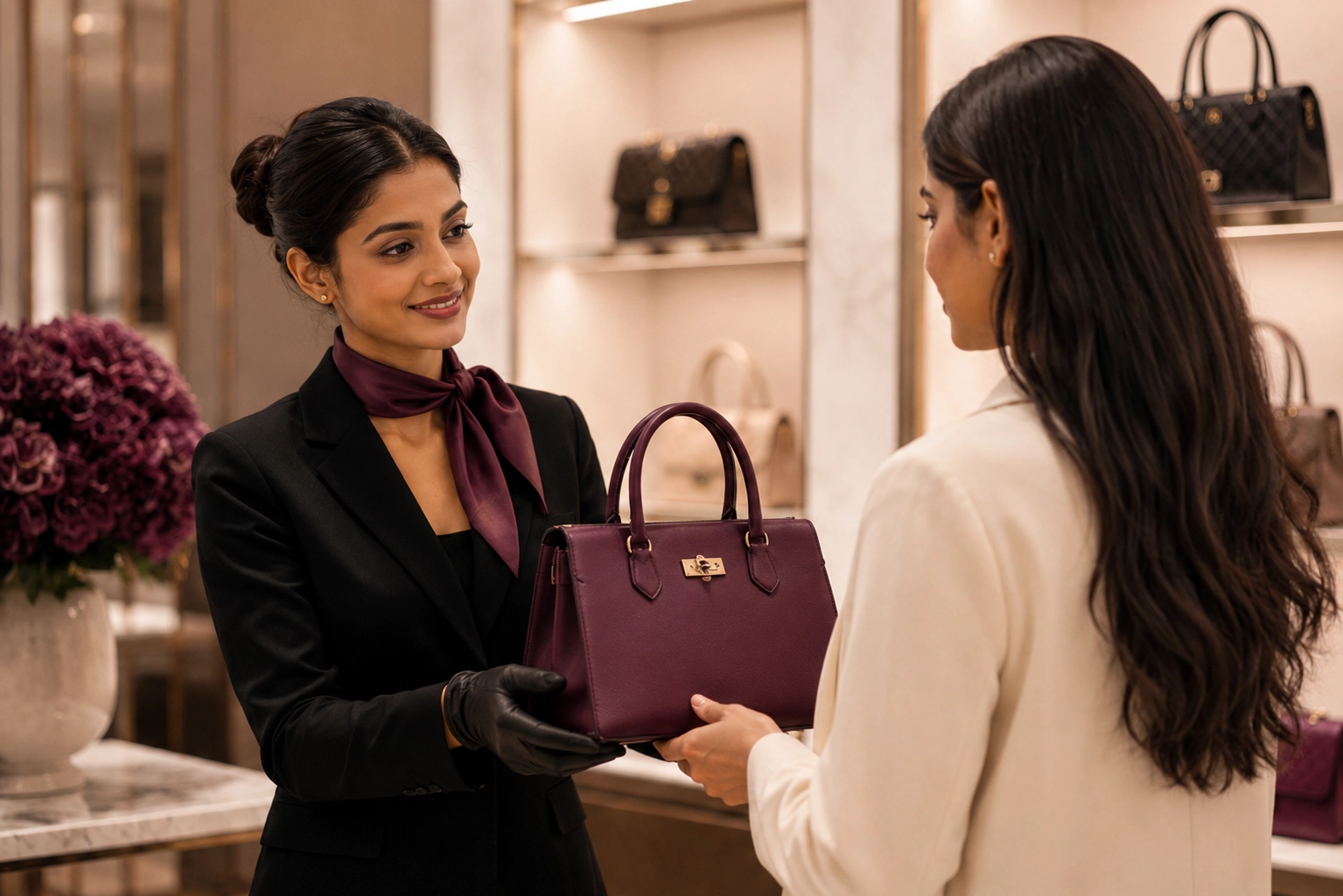
In luxury retail, every interaction shapes the customer’s perception of the brand. Our Luxury Retail & Customer Experience Programme is designed to help retail professionals create exceptional experiences through confident communication, refined presentation, attentive service, and personalised customer engagement. From the first welcome and product presentation to the purchase journey and farewell, this programme equips your team to deliver service that feels thoughtful, polished, and truly luxurious.
Course Description
This programme focuses on creating a seamless and elevated customer journey within the luxury retail environment. Learn how to understand client expectations, communicate with confidence, present products with finesse, and deliver personalised service at every stage of the shopping experience. Develop the skills to build trust, create memorable interactions, and strengthen long-term relationships with discerning customers.
Create a welcoming and polished environment from the moment a customer walks in. Learn how store presentation, staff grooming, body language, and attention to detail contribute to a premium first impression.
Create a warm and personalised welcome that makes every customer feel valued from the moment they enter. Learn how to use confident body language, a genuine greeting, and the right tone to create a comfortable and refined first interaction.
Make every interaction feel warm, welcoming, and professional from the very beginning. Use confident communication, positive body language, and attentive listening to create a comfortable and memorable experience.
Pay close attention to what the customer says, asks, and expects to understand their preferences clearly. Thoughtful questions and active listening help you provide relevant guidance and a more personalized experience.
Help customers navigate the store with ease by introducing key areas, products, and services at the right time. Offer assistance naturally while giving them enough space to explore comfortably and confidently.
Present each product with confidence, highlighting its key features, benefits, and unique qualities. Demonstrate its use clearly and thoughtfully, helping the customer understand its value without feeling pressured.
Ensure the trial room experience feels private, relaxed, and well-supported. Offer assistance when needed while respecting the customer’s personal space, preferences, and comfort throughout the process.
Give customers the right information and reassurance to help them make a confident choice. Address their questions honestly, offer suitable alternatives, and allow them time to decide without unnecessary pressure.
Make the checkout process smooth, accurate, and courteous from start to finish. Confirm the purchase details, handle the payment professionally, and end the interaction with a warm and appreciative farewell.
End every customer interaction on a warm and positive note that leaves them feeling valued. Express genuine appreciation, offer a pleasant closing remark, and encourage them to look forward to their next visit.
Go beyond a single purchase by creating trust and meaningful connections with customers. Remember their preferences, maintain thoughtful communication, and consistently deliver an experience that encourages them to return.
Course Outcome
By the end of the Dining Etiquette Programe, you will have transformed your approach to dining, equipped with the skills to confidently navigate any meal, from the most casual brunch to the most elaborate banquet. Join us and take the first step towards mastering the art of dining with style and sophistication.
Who Should Enroll?
This programme is ideal for:

Professionals
Individuals preparing for corporate events, networking dinners, or
business meetings where you would like to project confidence and professionalism.
Socialites
Individuals who frequently attend social gatherings and wish to enhance their dining etiquette for a more polished experience.
Students
Young adults who are preparing themselves for greater academic or professional challenges where fine dining manners will be essential.
Anyone Interested in Fine Dining
People who want to elevate their dining experience and learn the nuances of etiquette to impress guests or hosts.
FAQs
Basic etiquette that should be followed at the table are of respect, courtesy, and awareness about people at the table. This can be started with the act of waiting for everybody to be seated and waiting for the host to let one know when to start eating. Use cutlery according to the table setting etiquette. Sit up straight, do not lean with your elbows against the table, and do not cross over to reach the food, politely ask if things may be passed across. Chew with your mouth closed, eat small bites, and never speak while you are eating. These simple dinner manners exhibit courtesy and enrich the dinner experience for all.
Handling cutlery is a major part of dining etiquette. In formal dining etiquette, the rule of thumb is to work from the outside in with cutlery. Usually, the fork is placed on the left side, while the knife and spoon are on the right side. For cutting, you use the fork in your left hand and the knife in your right hand. To signal you are done with your meal, place the cutlery on the plate in the following positions, cross the fork and knife diagonally or in an inverted "V". When you are all done, place them parallel to each other on the plate. Proper use of cutlery is one of the primary aspects of table manners, it shows your considerations for the people you are dining with.
Many individuals commit some general oversights that can undermine dining table etiquette. Never chew and talk simultaneously, nor use other cacophonous sounds like slurping, never text or play at the table, graciously concentrate on your dining partners. Be careful not to lean forward across others, just ask to have items passed to you instead. Avoid resting elbows on the table, and refrain from seasoning food before tasting it, as this can be seen as disrespectful to the host or chef. Fine dining etiquette makes every experience enjoyable.
Formal dining etiquette is more formalized. Each element in the place setting has to be identified, a napkin is positioned to the left and above the knife, a dinner plate to the immediate left, glasses to the right, and utensils. Wait for a signal from the host to commence eating and eat at the same tempo as the rest of the group. Follow the table etiquette rule of using the outermost utensil for each new course. In formal dining, you should have poise and grace, maintain eye contact, and contribute to soft conversation without raising your voice. Formal dining etiquette is about showing respect to the host and to the event.
Dining etiquette classes are useful for any person who would want to feel sure and not nervous in such formal setups. The key lessons one gets in dining etiquette classes include how to handle utensils and cutlery, how the placement of a napkin should be, the managing of multiple courses, and knowing when to start or pause during meals. Classes are also conducted on basic dining etiquette and advanced table etiquette in formal occasions that help an individual master social graces and dining manners etiquette. Knowledge of the etiquette of dining can uplift personal and professional interactions to leave an impression in any dining situation.
Monday - Saturday : 09:30 am - 07:30 pm

Helping individuals cultivate graceful manners, confident communication, and a polished personal presence.
