
Search
Close this search box
Course
Wedding Etiquette
A
Dining Etiquette: The Art of the Table
services
Dining Etiquette: The Art of the Table

Crafting new bright brand unique visual systems digital experience focused on wide range of original collabs.

Master the Art of Wedding Etiquette
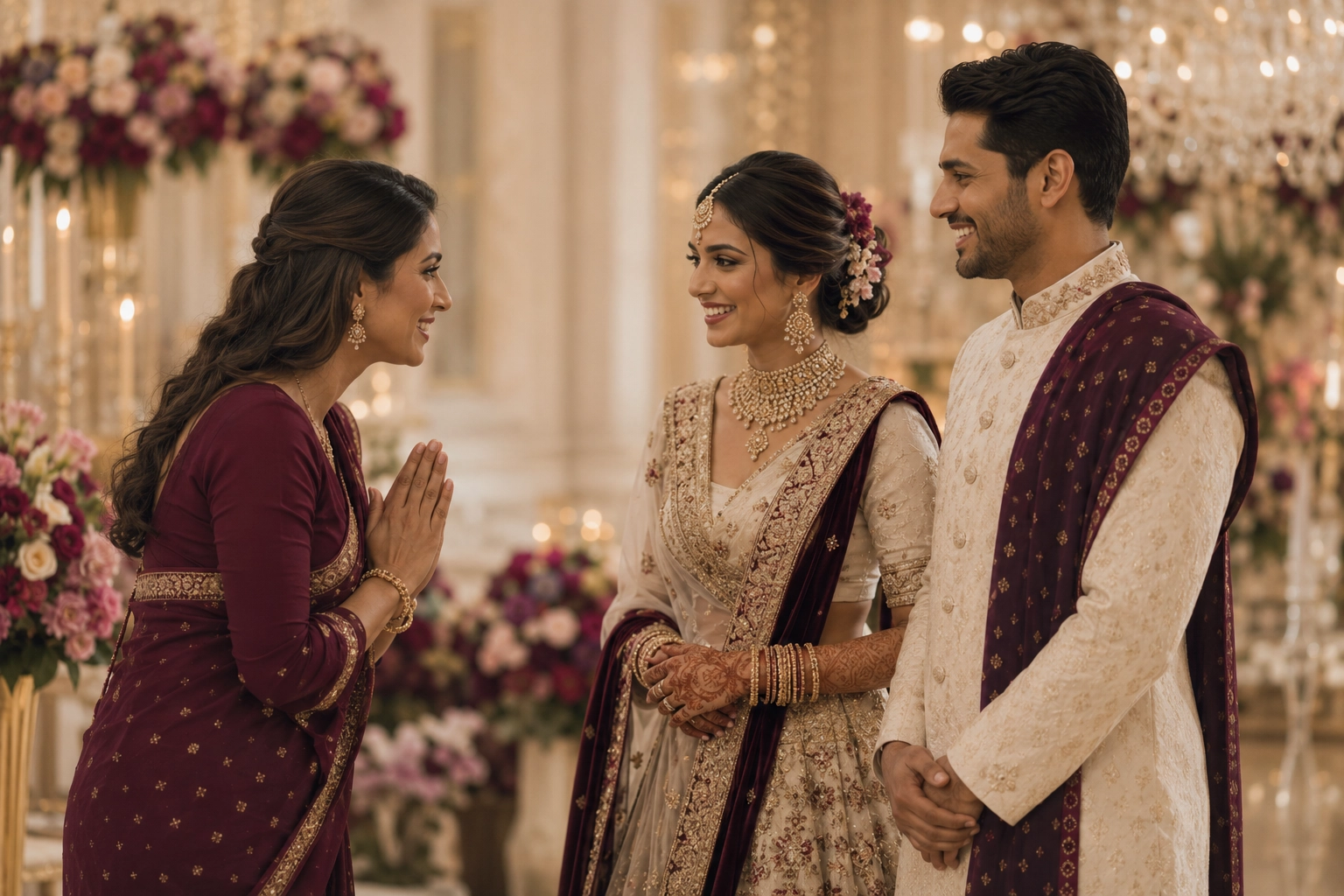
A wedding is more than a celebration, it is a meaningful occasion where every interaction, gesture, and detail contributes to the overall experience. Our Wedding Etiquette Programme is designed to help you navigate wedding celebrations with confidence, grace, and consideration. From hosting and being a thoughtful guest to dressing appropriately, socialising, gift-giving, dining, and respecting traditions, this programme prepares you to handle every moment with elegance and ease.
Course Description
This programme explores the essential etiquette that helps individuals navigate wedding celebrations with confidence and consideration. Learn the art of being a gracious host or guest, understanding appropriate dress and social behaviour, participating respectfully in traditions, and handling dining, gifting, and interactions with ease. The programme helps you feel comfortable and composed throughout every wedding occasion.
Learn how to carry yourself appropriately across different wedding functions, from intimate ceremonies to formal celebrations. Understand the right way to dress, interact, participate in traditions, and adapt your behaviour to suit each occasion with confidence and grace.
Learn how to respond to wedding invitations thoughtfully and respectfully. Understand RSVP etiquette, bringing a plus-one, arriving on time, and following the dress code and other details shared by the hosts.
Dress appropriately for each wedding function, keeping the venue, theme, and cultural traditions in mind. Choose outfits that reflect the occasion while allowing you to feel comfortable and confident. Respect the couple’s dress code and avoid outfits that may distract from the celebration.
Avoid arriving late, ignoring the dress code, or behaving inappropriately during wedding functions. Be mindful of personal boundaries, photography etiquette, and conversations with other guests. Most importantly, respect the couple, their families, and the traditions being celebrated.
Arrive on time and settle in quietly before the ceremony begins. Follow the couple’s and family’s customs respectfully, including appropriate behaviour during rituals, prayers, and special moments. Keep phones silent and avoid unnecessary movement or conversations during the ceremony.
Follow the meal service style and wait for others before beginning when appropriate. Practise good table manners, serve yourself considerately, and avoid wasting food. Be courteous to fellow guests and staff throughout the dining experience.
Respect the couple’s privacy and be mindful of when and where you take photographs. Avoid blocking the ceremony, using flash at inappropriate moments, or sharing sensitive moments without permission. Follow the couple’s preferences regarding social media posts, tags, and wedding photos.
Choose a thoughtful gift that suits the couple and the occasion, while considering any preferences shared with the invitation. Present gifts graciously and avoid comparing your gift with those of other guests. If the couple has requested cash, a registry gift, or no gifts, respect their wishes.
Enjoy the celebration while being mindful of the couple, their families, and fellow guests. Participate in dances, speeches, and activities respectfully, without interrupting special moments or taking over the spotlight. Maintain graceful behaviour throughout the reception and bid farewell courteously.
Handle awkward moments with calmness, confidence, and a positive attitude. Avoid reacting impulsively, respect others’ feelings, and use polite communication to ease uncomfortable situations. Knowing when to step back, apologise, or redirect the conversation reflects maturity and professionalism.
Course Outcome
By the end of the Dining Etiquette Programe, you will have transformed your approach to dining, equipped with the skills to confidently navigate any meal, from the most casual brunch to the most elaborate banquet. Join us and take the first step towards mastering the art of dining with style and sophistication.
Who Should Enroll?
This programme is ideal for:

Professionals
Individuals preparing for corporate events, networking dinners, or
business meetings where you would like to project confidence and professionalism.
Socialites
Individuals who frequently attend social gatherings and wish to enhance their dining etiquette for a more polished experience.
Students
Young adults who are preparing themselves for greater academic or professional challenges where fine dining manners will be essential.
Anyone Interested in Fine Dining
People who want to elevate their dining experience and learn the nuances of etiquette to impress guests or hosts.
FAQs
Basic etiquette that should be followed at the table are of respect, courtesy, and awareness about people at the table. This can be started with the act of waiting for everybody to be seated and waiting for the host to let one know when to start eating. Use cutlery according to the table setting etiquette. Sit up straight, do not lean with your elbows against the table, and do not cross over to reach the food, politely ask if things may be passed across. Chew with your mouth closed, eat small bites, and never speak while you are eating. These simple dinner manners exhibit courtesy and enrich the dinner experience for all.
Handling cutlery is a major part of dining etiquette. In formal dining etiquette, the rule of thumb is to work from the outside in with cutlery. Usually, the fork is placed on the left side, while the knife and spoon are on the right side. For cutting, you use the fork in your left hand and the knife in your right hand. To signal you are done with your meal, place the cutlery on the plate in the following positions, cross the fork and knife diagonally or in an inverted "V". When you are all done, place them parallel to each other on the plate. Proper use of cutlery is one of the primary aspects of table manners, it shows your considerations for the people you are dining with.
Many individuals commit some general oversights that can undermine dining table etiquette. Never chew and talk simultaneously, nor use other cacophonous sounds like slurping, never text or play at the table, graciously concentrate on your dining partners. Be careful not to lean forward across others, just ask to have items passed to you instead. Avoid resting elbows on the table, and refrain from seasoning food before tasting it, as this can be seen as disrespectful to the host or chef. Fine dining etiquette makes every experience enjoyable.
Formal dining etiquette is more formalized. Each element in the place setting has to be identified, a napkin is positioned to the left and above the knife, a dinner plate to the immediate left, glasses to the right, and utensils. Wait for a signal from the host to commence eating and eat at the same tempo as the rest of the group. Follow the table etiquette rule of using the outermost utensil for each new course. In formal dining, you should have poise and grace, maintain eye contact, and contribute to soft conversation without raising your voice. Formal dining etiquette is about showing respect to the host and to the event.
Dining etiquette classes are useful for any person who would want to feel sure and not nervous in such formal setups. The key lessons one gets in dining etiquette classes include how to handle utensils and cutlery, how the placement of a napkin should be, the managing of multiple courses, and knowing when to start or pause during meals. Classes are also conducted on basic dining etiquette and advanced table etiquette in formal occasions that help an individual master social graces and dining manners etiquette. Knowledge of the etiquette of dining can uplift personal and professional interactions to leave an impression in any dining situation.
Monday - Saturday : 09:30 am - 07:30 pm

Helping individuals cultivate graceful manners, confident communication, and a polished personal presence.
