
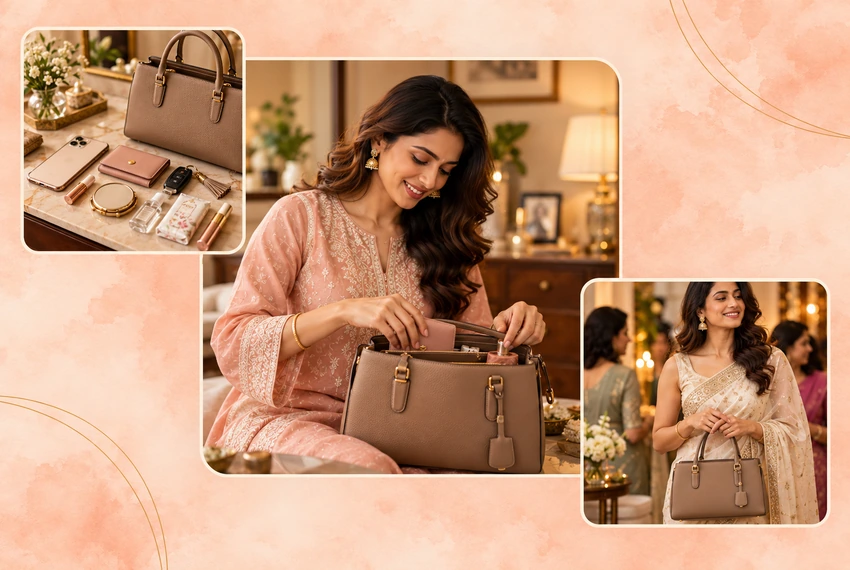
Handbag Etiquette: What to Carry and What to Leave at Home
A handbag is more than an accessory; it is a practical part of everyday dressing that helps you stay organised and prepared. Whether you are attending a formal dinner, going to work, visiting a social gathering or travelling, carrying the right essentials can make your day easier. However, an overfilled bag can become inconvenient, while an unsuitable size or style may not fit the occasion.
Understanding handbag etiquette helps you balance practicality, personal style and consideration for the people around you.
1. Carry Essentials That Serve a Purpose
The contents of your handbag should reflect your plans for the day. Everyday essentials generally include your phone, wallet, keys, identification, tissues and any personal items you regularly need.
A small hand sanitiser, lip balm and a compact mirror can also be useful, depending on your routine. Before leaving home, check your schedule and carry only what you are likely to use.
This simple habit keeps your bag lighter, makes important items easier to find and prevents unnecessary clutter.
2. Choose a Handbag That Suits the Occasion
Different settings call for different handbag styles. A structured tote or practical shoulder bag may work well for the office, while a compact clutch can be suitable for a wedding reception or formal dinner.
For travel or a day of errands, prioritise comfort, secure compartments and enough space for your essentials. Consider the venue, duration and activities before choosing your bag.
The aim is to select an accessory that complements your outfit without becoming inconvenient throughout the event.
3. Keep Your Handbag Clean and Organised
Receipts, loose coins, used tissues and expired cards can quickly accumulate inside a handbag. Regularly removing unnecessary items helps maintain hygiene and makes the bag easier to use.
Use small pouches to separate cosmetics, electronic accessories and personal care products. Keep liquids securely closed to prevent spills, and store valuable items in compartments that are not easily accessible to others.
A well-organised bag saves time and reduces the frustration of searching for something when you need it.
4. Know What to Leave at Home
Carrying too many items can make a handbag unnecessarily heavy. Avoid packing multiple makeup products, old receipts, unused chargers or several items that serve the same purpose.
Large bottles, bulky accessories and unnecessary documents may be better left at home unless your plans require them. For venues with security checks or specific entry rules, review the restrictions before leaving.
Being selective also helps protect delicate bags from stretching, scratches and damage caused by excessive weight.
5. Practise Good Handbag Manners in Public
Good handbag etiquette includes being mindful of the space your bag occupies. In restaurants, place it on your lap, use a designated bag hook or follow the venue’s guidance instead of occupying an extra chair.
On public transport, keep your bag close to you and avoid blocking walkways. At formal events, position it discreetly so it does not obstruct other guests.
Never leave valuables unattended, and avoid placing your handbag on unhygienic surfaces when a cleaner alternative is available.
Conclusion
A well-chosen handbag should support your needs without adding unnecessary weight or distraction. By carrying useful essentials, selecting an appropriate style and respecting shared spaces, you can make practical choices while maintaining a polished appearance. Thoughtful handbag habits combine personal organisation with everyday courtesy.

