
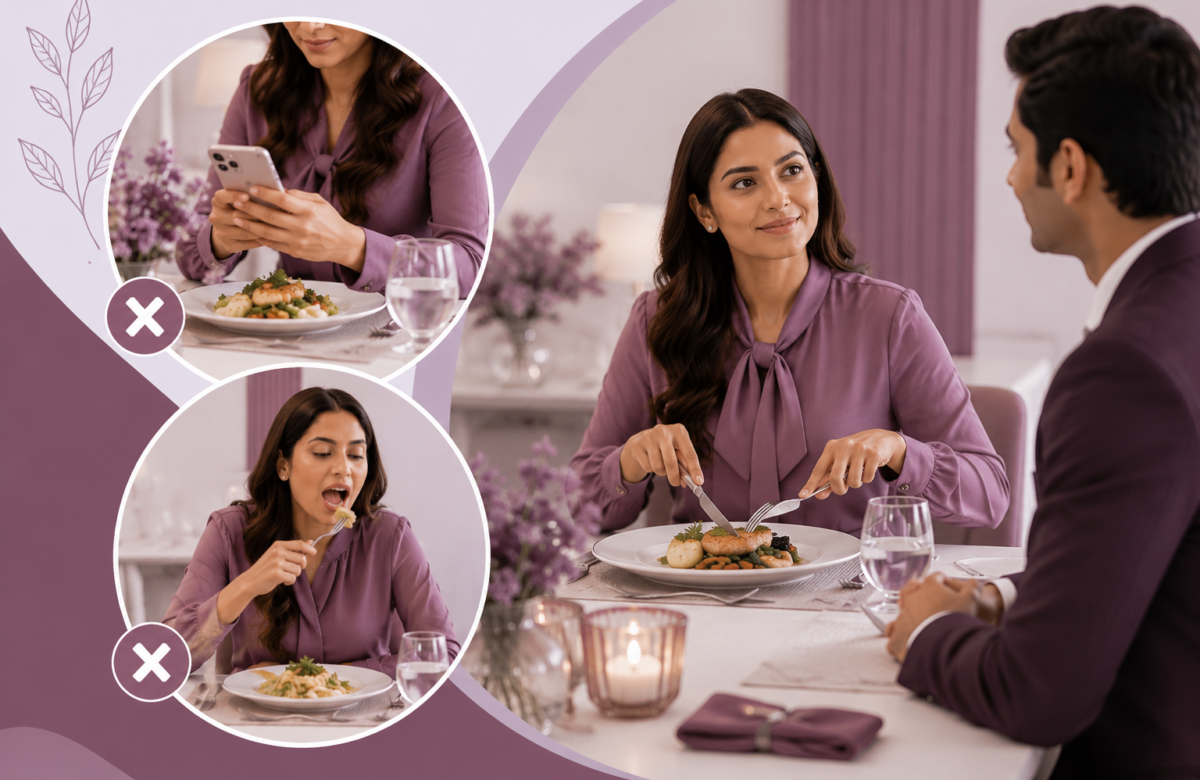
What Dining Etiquette Mistakes Can Leave a Bad First Impression?
Whether you’re attending a business lunch, a family celebration, or a formal dinner, your behaviour at the table often speaks before you do. Good table manners are not about following complicated rules—they are about making others feel comfortable and showing confidence in social situations.
Many people unknowingly make small dining mistakes that can leave a negative impression. Becoming aware of these habits can help you feel more comfortable during meals and present yourself with greater confidence.
Why Dining Etiquette Still Matters
Dining has always been more than simply sharing a meal. It is an opportunity to build relationships, have meaningful conversations, and create positive experiences.
In professional settings, meals often become an extension of meetings or networking events. In personal life, they bring family and friends together. Knowing how to conduct yourself appropriately allows you to focus on the conversation instead of worrying about your table manners.
Respecting the Flow of the Meal
A formal meal follows a natural pace, and being aware of it helps everyone enjoy the experience.
Avoid rushing through your food or trying to finish before everyone else. Similarly, do not pressure others to eat faster. Following the pace of the table allows conversations to flow naturally and creates a more relaxed dining atmosphere.
Being mindful of the group’s rhythm shows confidence and social awareness without drawing attention to yourself.
Using Your Phone During the Meal
Mobile phones have become part of everyday life, but using them during meals can appear distracting.
Checking notifications, replying to messages, or scrolling through social media shifts attention away from the people at the table.
Keeping your phone aside helps you stay engaged in the conversation and creates a more enjoyable dining experience for everyone.
Speaking While Eating
Talking with food in your mouth is one of the most noticeable dining mistakes.
Taking a moment to finish chewing before speaking makes conversations more pleasant and shows consideration for others.
It also allows you to communicate more clearly and confidently.
Not Knowing How to Use Cutlery
Many people feel nervous when multiple pieces of cutlery are placed on the table.
Fortunately, you do not need to memorise every rule. A simple guideline is to use the utensils from the outside and work inward as each course is served.
If you are unsure, observing the host or following the flow of the meal is perfectly acceptable.
Poor Table Posture
The way you sit at the table contributes to your overall appearance.
Slouching, leaning too far forward, or constantly resting on the table can make you appear disengaged or careless.
Sitting comfortably with good posture reflects confidence and helps you remain attentive throughout the meal.
Ignoring Basic Courtesy
Dining etiquette also includes simple social habits.
Forgetting to say “please” and “thank you,” interrupting others, or failing to acknowledge the host can affect the overall dining experience.
Small gestures of politeness help create a warm and welcoming atmosphere.
Speaking Too Loudly
Conversations should be comfortable for everyone at the table.
Speaking loudly, interrupting others, or dominating discussions can make fellow diners uncomfortable.
Listening actively and allowing everyone to participate creates a more balanced and enjoyable conversation.
Rushing Through the Meal
Eating too quickly can make others feel rushed, while eating extremely slowly may delay the overall dining experience.
Following the pace of the table helps everyone enjoy the meal together and allows conversations to flow naturally.
Being aware of the group’s pace is an important part of good table manners.
Small Habits Create Lasting Impressions
Dining etiquette is often reflected in small everyday actions rather than grand gestures.
You can improve your dining experience by:
- Arriving on time
- Waiting before starting your meal
- Keeping your phone away
- Using cutlery confidently
- Maintaining good posture
- Listening attentively during conversations
- Thanking the host before leaving
These habits become natural with regular practice and help you feel more confident in any dining setting.
Final Thoughts
Many dining etiquette mistakes happen simply because people are unaware of them. Fortunately, they are easy to correct with a little attention and practice.
Good table manners are not about perfection or following rigid rules. They are about creating a comfortable experience for everyone at the table while presenting yourself with confidence and professionalism.
At The Etiquette Academy, we believe that thoughtful dining habits reflect confidence, self-awareness, and consideration for others. Learning these essential skills helps individuals feel comfortable in both social and professional dining situations while leaving a positive and lasting impression.

