
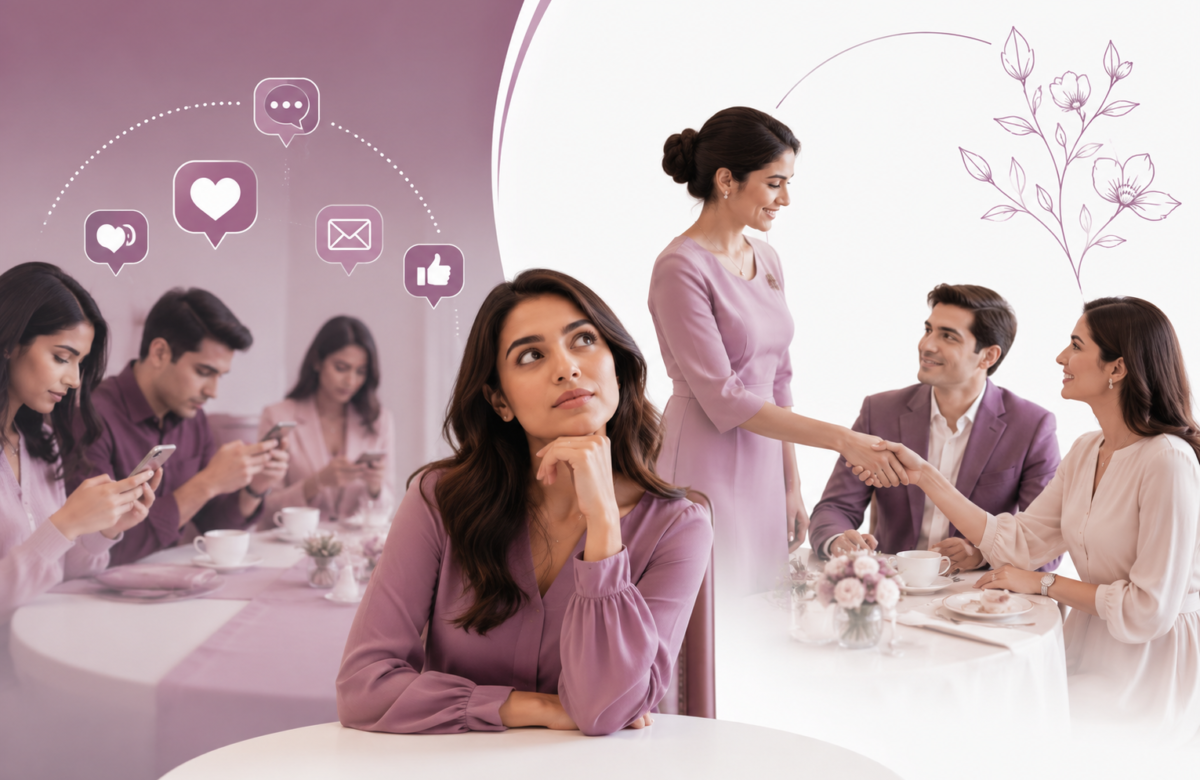
Are Good Manners Becoming Obsolete in Modern Social Etiquette?
In a world driven by speed, technology, and constant communication, it is easy to wonder if good manners still hold the same value they once did. With quick texts replacing conversations and social media shaping interactions, many people question whether traditional behaviour still matters.
But are good manners truly becoming outdated, or are they simply evolving with modern social etiquette?
The Changing Nature of Social Behaviour
The way we interact has changed significantly over the years. Earlier, communication was more formal and structured. Today, it is faster, more casual, and often digital.
While this shift has made communication more convenient, it has also blurred certain boundaries. Simple courtesies like acknowledging someone’s presence, listening attentively, or responding thoughtfully are sometimes overlooked.
However, this does not mean manners have disappeared. Instead, they have adapted to fit new environments and expectations.
Why Good Manners Still Matter
Even in today’s fast-paced world, respect and consideration remain universal values. Whether in personal relationships or professional settings, people still appreciate kindness, politeness, and awareness.
Good manners help:
- Build trust and strong relationships
- Create positive first impressions
- Improve communication and understanding
- Reduce misunderstandings and conflicts
In fact, as interactions become more digital, the need for thoughtful behaviour becomes even more important. Without tone or body language, politeness helps prevent miscommunication.
Modern Social Etiquette Looks Different
What we consider “good manners” today may not look exactly like traditional etiquette, but the core principle remains the same, respect for others.
For example:
- Responding to messages on time shows respect for someone’s effort
- Being present during conversations, even in informal settings, reflects attentiveness
- Respecting personal boundaries, both offline and online, shows awareness
Modern social etiquette is less about rigid rules and more about emotional intelligence and adaptability.
Are We Losing Manners or Redefining Them?
It may sometimes feel like manners are fading, especially when we see impatience, lack of courtesy, or careless communication. But in reality, expectations have shifted.
People today value:
- Authenticity over formality
- Clear communication over complex language
- Respect for individuality and boundaries
This shift does not eliminate manners, it reshapes them.
The challenge is not that manners are disappearing, but that many people are unaware of how to apply them in modern situations.
The Role of Awareness in Everyday Etiquette
Good manners are often about small, consistent actions. Saying “please” and “thank you,” listening without interrupting, or being mindful of others’ time may seem simple, but they have a lasting impact.
In both social and professional environments, these habits reflect character and emotional intelligence.
As life becomes more fast-paced, practising these small courtesies helps maintain meaningful connections and respectful interactions.
Final Thoughts
Good manners are not becoming obsolete, they are evolving. While the way we communicate and interact has changed, the need for respect, kindness, and consideration remains constant.
Modern social etiquette is about understanding people, adapting to situations, and behaving thoughtfully in both physical and digital spaces.
At The Etiquette Academy, we believe that true etiquette is not about following outdated rules but about applying timeless values in today’s world. When individuals practise awareness and respect in everyday interactions, they create stronger relationships and leave a positive, lasting impression.

