
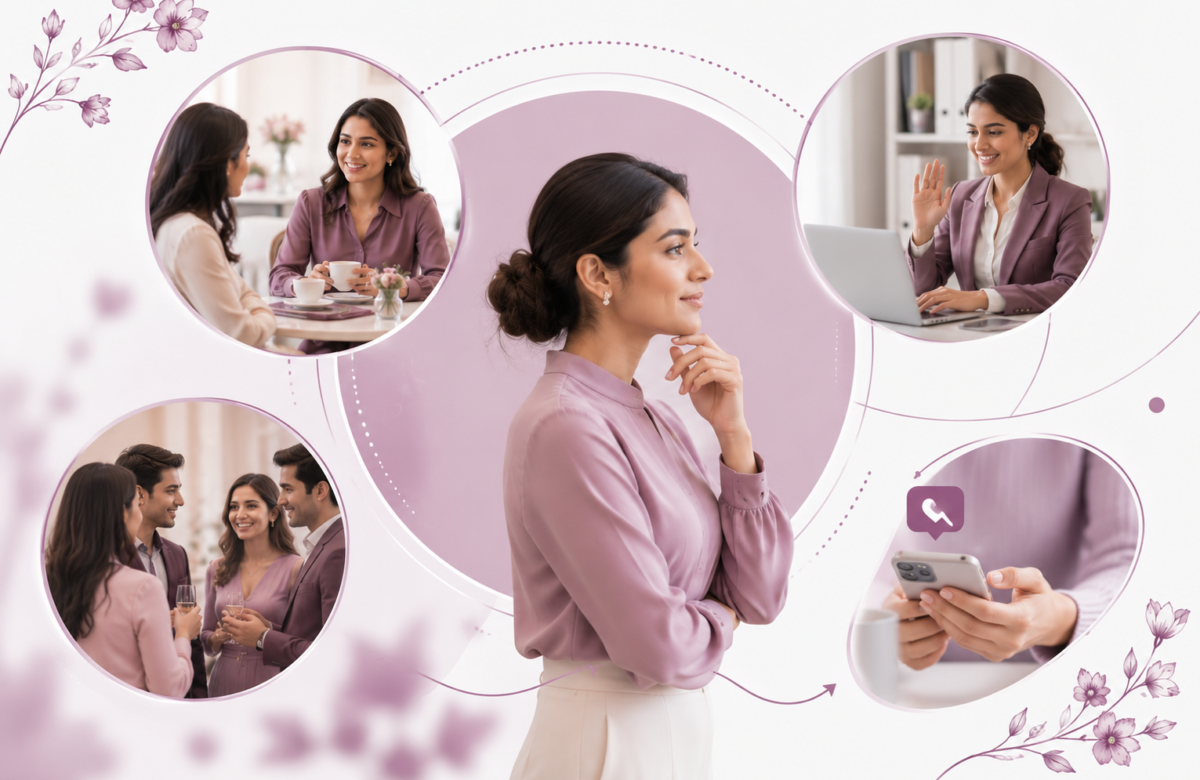
How Has Modern Etiquette Quietly Evolved Without Us Even Noticing?
Etiquette is often associated with formal rules, polished manners, and traditional social behaviour. But in reality, etiquette is not static. It changes with time, adapting to how we live, communicate, and interact with one another.
Today, many of these changes happen so gradually that we hardly notice them. Modern etiquette has quietly evolved, shaping our everyday behaviour in subtle yet meaningful ways.
What Is Modern Etiquette Today?
Modern etiquette is less about strict rules and more about awareness, respect, and adaptability. While traditional etiquette focused on formal settings and structured behaviour, today’s etiquette reflects a more flexible and inclusive approach.
It considers:
- Changing communication styles
- Digital interactions
- Cultural diversity
- Personal boundaries
The goal remains the same, to create respectful and comfortable interactions, but the way we achieve it has shifted.
The Shift from Formality to Authenticity
One of the biggest changes in etiquette is the move from rigid formality to authenticity. In the past, interactions often followed strict patterns. Today, people value genuine behaviour over perfectly rehearsed responses.
This does not mean manners have become less important. Instead, they are expressed in more natural and relatable ways. Being polite now includes being honest, respectful, and emotionally aware.
The Influence of Digital Communication
Technology has played a major role in shaping modern etiquette. Emails, messaging apps, and social media have changed how quickly and how often we communicate.
This shift has introduced new expectations:
- Responding within a reasonable time
- Using clear and respectful language
- Being mindful of tone without non-verbal cues
Digital spaces require just as much courtesy as face-to-face interactions. In fact, they often require more awareness because messages can easily be misunderstood.
Increased Awareness of Personal Boundaries
Another important evolution is the growing respect for personal space and boundaries. People today are more conscious of emotional comfort, privacy, and individual preferences.
Modern etiquette includes:
- Asking before sharing someone’s information or photos
- Respecting different opinions without conflict
- Understanding when to give space
This shift reflects a deeper understanding of empathy and mutual respect.
Everyday Behaviour Has Become More Inclusive
Etiquette today also reflects greater inclusivity. Social expectations now consider different cultures, lifestyles, and perspectives.
Being mindful of diversity, avoiding assumptions, and using respectful language are all part of modern etiquette. It is no longer just about knowing rules, it is about understanding people.
Small Habits That Show Big Change
Many changes in etiquette are visible in everyday habits. Simple actions like acknowledging messages, being present during conversations, or maintaining eye contact show how behaviour has adapted.
Even casual interactions now carry an expectation of attentiveness and respect. These small habits play a big role in building trust and maintaining relationships.
Why This Evolution Matters
The quiet evolution of etiquette reflects how society itself is changing. As communication becomes faster and more global, the need for awareness and thoughtful behaviour becomes even more important.
Modern etiquette helps:
- Improve communication clarity
- Strengthen relationships
- Reduce misunderstandings
- Build a positive personal and professional image
It allows individuals to navigate both traditional and modern environments with confidence.
Final Thoughts
Etiquette has not disappeared, it has evolved. While the rules may look different today, the core values of respect, kindness, and consideration remain unchanged.
Modern etiquette is about understanding context, adapting to situations, and being mindful of others in both physical and digital spaces.
At The Etiquette Academy, we believe that true etiquette lies in awareness and intention. When individuals practise thoughtful behaviour in everyday life, they naturally adapt to changing social expectations while maintaining grace and respect.

