
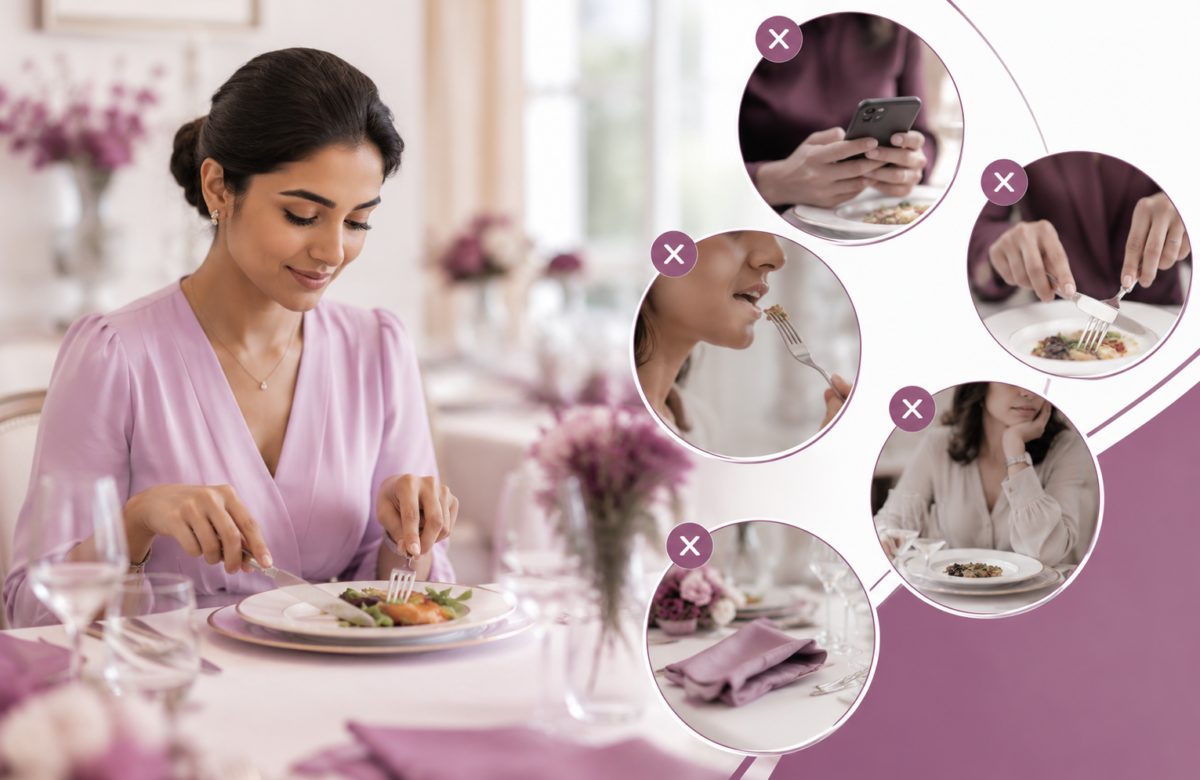
Common Dining Etiquette Mistakes You Might Be Making
Dining is more than just eating a meal. It is a social experience where your behaviour, awareness, and small habits leave a lasting impression. Whether you are at a formal dinner, a business lunch, or a casual outing, the way you conduct yourself at the table reflects your confidence and consideration for others.
Many people believe they have good table manners, but small mistakes often go unnoticed. Understanding dining etiquette helps you avoid these errors and feel more comfortable in any setting.
Why Dining Etiquette Still Matters
In both personal and professional settings, meals often become opportunities to connect. A well-conducted dining experience can strengthen relationships, while poor table manners can create discomfort.
Good dining etiquette helps:
- Build a positive impression
- Show consideration for hosts and guests
- Create a comfortable atmosphere
- Reflect confidence and social awareness
Even simple habits can influence how others perceive you.
Common Dining Etiquette Mistakes You Might Be Making
Not Knowing When to Start Eating
One of the most common mistakes is beginning your meal before everyone has been served. In most settings, it is polite to wait until everyone at the table is ready or the host signals to begin.
Incorrect Use of Cutlery
Many people feel unsure about which cutlery to use. A simple rule is to work from the outside in, based on the course being served. Holding cutlery properly and using it confidently makes a noticeable difference.
Using Your Phone at the Table
Checking messages or scrolling through your phone during a meal can come across as inattentive. It shifts your focus away from the people you are dining with. Keeping your phone aside helps you stay present in the moment.
Speaking with Food in Your Mouth
This is a small habit that can leave a strong negative impression. Taking a moment to finish your bite before speaking shows good manners and social awareness.
Poor Posture and Table Behaviour
Slouching, placing elbows on the table constantly, or leaning too far forward can make your posture appear careless. Sitting upright and maintaining a relaxed but attentive posture reflects confidence.
Ignoring Basic Courtesy
Forgetting simple words like “please” and “thank you” or failing to acknowledge the host can affect the overall dining experience. Politeness plays an important role in creating a welcoming and pleasant atmosphere.
The Role of Awareness in Dining Settings
Dining etiquette is not about being perfect. It is about being mindful of your actions and how they affect others at the table.
Paying attention to:
- The pace of the meal
- The comfort of others
- The tone of conversation
helps create a smoother and more enjoyable dining experience for everyone involved.
Dining Etiquette in Modern Times
Today, dining settings can vary widely, from formal restaurants to casual cafés. While the level of formality may change, the basic principles remain the same.
Modern dining etiquette focuses on:
- Being present and engaged
- Maintaining personal boundaries
- Communicating politely
- Adapting to the setting
It is less about rigid rules and more about thoughtful behaviour.
How to Improve Your Dining Etiquette
Improving your table manners does not require drastic changes. Small, consistent habits can make a big difference.
Start by:
- Observing others in formal settings
- Practising basic table manners regularly
- Being mindful of your behaviour during meals
Over time, these habits become natural and help you feel more confident.
Final Thoughts
Dining etiquette is often reflected in the smallest details. While many mistakes go unnoticed, being aware of them allows you to present yourself with confidence and ease.
Good table manners are not about perfection. They are about awareness, consideration, and making others feel comfortable during shared experiences.
At The Etiquette Academy, we believe that dining is an opportunity to demonstrate grace and confidence in everyday life. When individuals practise thoughtful behaviour at the table, they create meaningful experiences and leave a positive impression wherever they go.

