
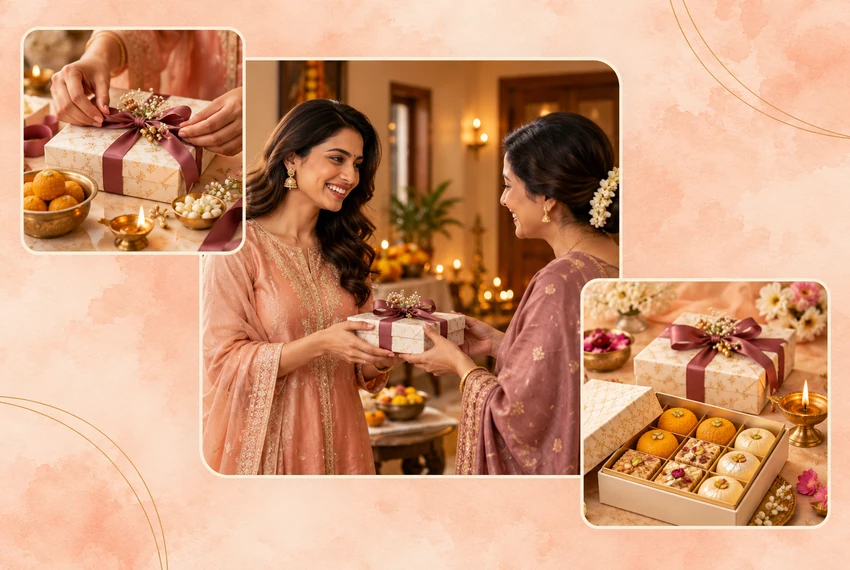
The Art of Diwali Gifting: Essential Etiquette to Know
Diwali is a time to express gratitude, strengthen relationships and share happiness with the people who matter. A thoughtful gift can communicate appreciation more meaningfully than an expensive one. However, choosing the right present also involves understanding the recipient, the occasion and the way the gift is offered. Following Diwali etiquette helps make gifting more considerate, whether you are exchanging presents with family, friends, colleagues or business associates.
1. Choose Gifts Based on the Recipient
The best gifts reflect the recipient’s interests, preferences and lifestyle. Before purchasing anything, consider what the person would genuinely appreciate. Personalised accessories, festive treats, home décor and practical items can all be suitable choices when selected thoughtfully.
For professional relationships, opt for gifts that are appropriate for the workplace and respectful of company policies. A carefully chosen present often creates a better impression than something expensive but impersonal.
2. Consider Cultural Preferences and Dietary Requirements
Diwali gifting should be inclusive and respectful of individual preferences. While sweets and dry fruits are popular festive choices, not everyone follows the same dietary practices. Some recipients may prefer sugar-free options, vegan treats or non-food gifts.
When selecting a present, pay attention to these details instead of assuming that a traditional gift will suit everyone. Small considerations can make the gesture feel more personal and welcoming.
3. Pay Attention to Presentation
Presentation is an important part of the gifting experience. Neat packaging, suitable colours and a simple greeting card can make even a modest gift feel special. Choose packaging that complements the occasion without unnecessary waste.
A handwritten note adds warmth to the gesture. For example, a brief message expressing gratitude or wishing the recipient happiness and prosperity can make the gift more memorable.
4. Follow Appropriate Gifting Etiquette at Work
In professional settings, festive gifts should communicate appreciation without creating pressure or discomfort. If you are gifting clients, employees or business partners, consider the organisation’s gifting policies and maintain a reasonable budget.
For colleagues, exchanging gifts within an agreed budget can keep the experience comfortable for everyone. Avoid gifts that are overly personal, extravagant or likely to be misunderstood. Thoughtful professional gifting focuses on respect and relationship-building rather than expectations of return.
5. Give and Receive Gifts Gracefully
Good gifting manners extend beyond selecting a present. Offer gifts with a warm greeting and without drawing attention to their price. If you receive a gift, acknowledge the gesture with genuine appreciation, even when it is unexpected or not exactly what you would have chosen.
There is also no need to compare gifts or feel obligated to give something of equal value in return. The purpose is to share goodwill, not create a sense of competition.
6. Plan Ahead and Avoid Last-Minute Choices
Planning early gives you more time to compare options, personalise presents and arrange delivery. It also helps prevent rushed purchases that may not suit the recipient. For corporate gifting, prepare a recipient list and confirm quantities, budgets and delivery dates in advance.
Conclusion
The true art of Diwali gifting lies in thoughtfulness, respect and sincerity. By choosing suitable presents, considering personal preferences and presenting them graciously, you can make festive exchanges more meaningful. Understanding essential etiquette ensures that every gift reflects appreciation and strengthens relationships, making Diwali celebrations warmer and more memorable.

