Luxury Retail & Customer Experience: What Makes a Brand Truly Premium?
A premium brand is not defined only by an expensive product, an elegant store, or sophisticated packaging. Customers judge luxury through the complete experience surrounding a purchase. From the first interaction with a brand to the support received after a sale, every detail can influence how valuable and distinctive the brand feels.
This is why Luxury Retail & Customer Experience has become an important focus for businesses that want to build long-term relationships with discerning customers.
Create an Experience Beyond the Product
Luxury shoppers often expect more than functional value. They look for an experience that feels considered and relevant to their expectations.
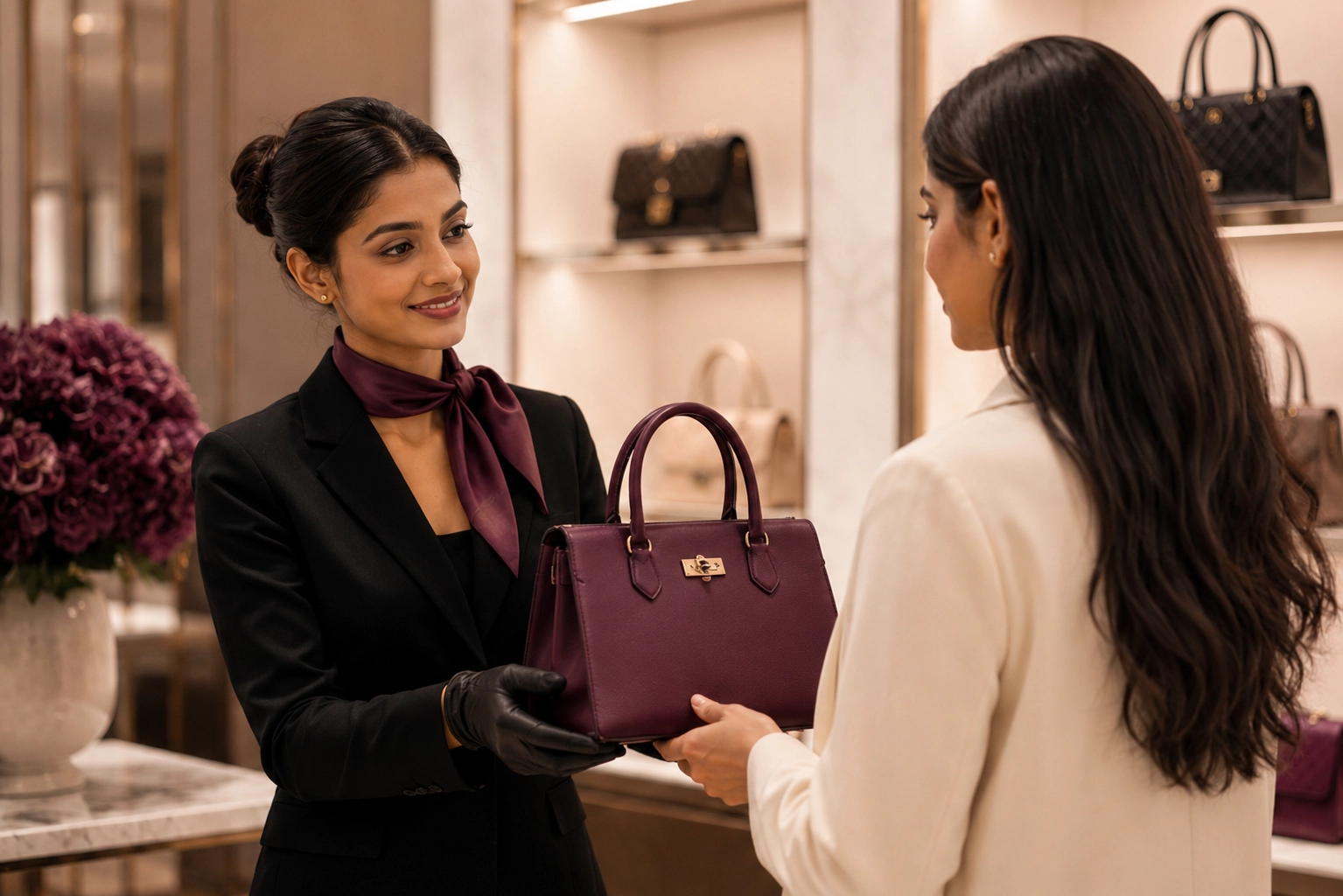
Store layout, product presentation, lighting, music, fragrance, and even the way products are introduced can contribute to the overall perception of a brand. However, these elements work best when they support the brand identity rather than becoming decoration without purpose.
A premium environment should feel intentional from the moment a customer enters.
Personalisation Should Feel Natural
Personalisation is another important part of premium retail. Customers may appreciate recommendations based on their previous purchases, preferences, or specific requirements.
However, personalisation should not feel forced or overly scripted. Well-trained retail teams can recognise when a customer wants assistance and when they prefer to explore independently.
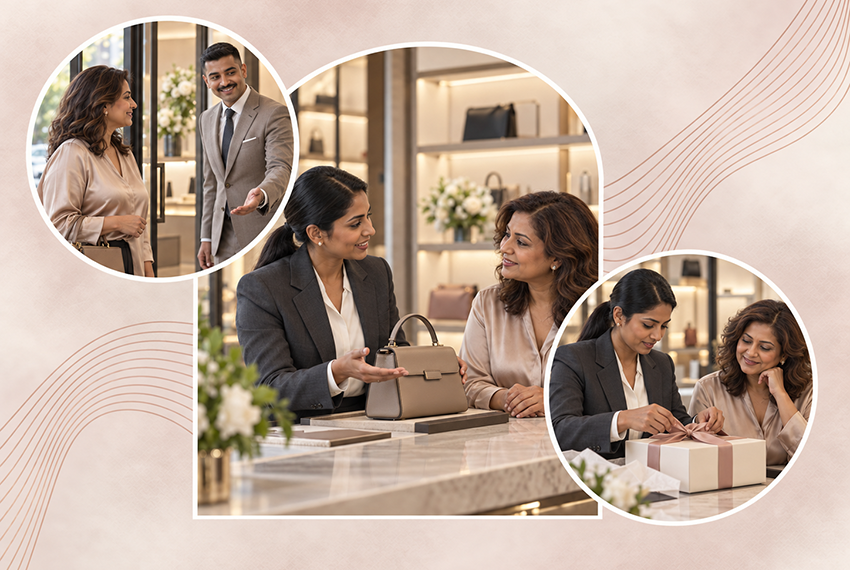
Remembering relevant preferences, offering suitable alternatives, and providing useful product information can make an interaction feel more personal without becoming intrusive.
Employees Shape the Brand Experience
A luxury brand can invest heavily in its physical environment, but the customer still interacts with people. The knowledge, communication style, and professional conduct of employees therefore play an important role.
Professional & Workplace Etiquette can help retail teams maintain consistency in how they communicate with customers and colleagues. This includes understanding appropriate language, handling difficult conversations calmly, protecting customer privacy, and knowing how to manage different service situations.
Training should go beyond memorising product information. Employees should understand the brand’s values, customer expectations, and the type of experience the business aims to deliver.
Consistency Builds Perceived Value
A premium experience should not depend entirely on one exceptional employee or one impressive store visit. Customers should encounter a consistent standard across physical stores, websites, social media, customer service, and post-purchase interactions.
For example, a polished website followed by an unorganised customer-service experience can create a disconnect. Similarly, a sophisticated store experience may lose its impact if after-sales communication feels careless.
Consistency helps customers understand what the brand stands for.
Measure What Customers Actually Experience
Brands can improve their retail experience by studying customer feedback, service interactions, mystery shopping results, repeat purchases, and common complaints. These insights can reveal gaps that may not be visible from internal processes alone.
The goal of Luxury Retail & Customer Experience is not simply to make customers feel impressed during a purchase. It is to create an experience that remains valuable throughout the customer journey.
When product quality, employee behaviour, personalisation, environment, and service work together, a brand can create a premium experience that customers recognise through every interaction.