
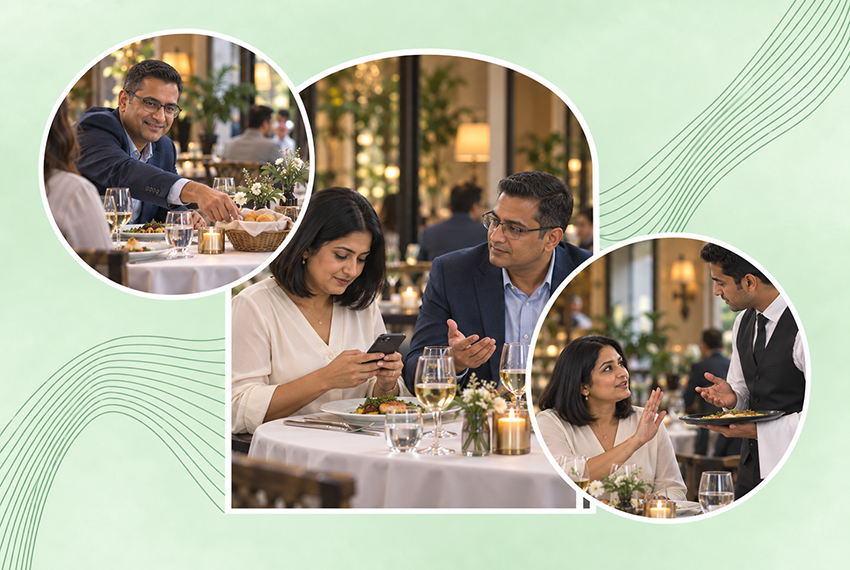
Common Restaurant Etiquette Mistakes Every Guest Should Avoid
Eating at a restaurant is more than choosing a dish and enjoying a meal. The way guests interact with staff, manage their table, and respond to unexpected situations can influence the entire dining experience. Understanding restaurant etiquette helps you enjoy your meal while also being considerate of the people around you.
1. Arriving Without Considering the Reservation
One common mistake is arriving significantly late without informing the restaurant. If you are delayed, a quick call can help the staff manage the table and waiting guests. Similarly, avoid assuming that a table will be available without checking during busy hours.
2. Ignoring Restaurant Seating Arrangements
At busy restaurants, staff may guide guests to specific tables based on reservations, group size, or availability. Moving to another table without asking can disrupt the seating plan. If you have a preference, simply communicate it politely.
3. Making Excessive Changes to a Dish
Reasonable dietary requests are understandable, but repeatedly asking for multiple changes can create difficulties for the kitchen. If you have allergies or important dietary requirements, mention them clearly when ordering rather than making changes throughout the meal.
4. Treating Service Staff Casually
Restaurant employees are there to assist you, but that does not mean basic courtesy should be overlooked. Calling staff loudly, snapping fingers, or becoming impatient when the restaurant is busy can create an uncomfortable atmosphere.
5. Using the Table as a Personal Workspace
Placing handbags, phones, documents, or other belongings across large portions of the table can make dining uncomfortable for everyone. Keep personal items organised and leave enough space for plates and shared dishes.
6. Speaking Too Loudly
A restaurant is a shared environment. Loud conversations, phone calls, or videos can disturb nearby diners. Being aware of your volume is a simple part of considerate dining.
7. Handling Complaints Rudely
Mistakes can occasionally happen with orders or service. Instead of reacting angrily, explain the problem clearly and give the staff an opportunity to resolve it. Good hospitality and restaurant etiquette involves mutual respect between guests and service teams.
Conclusion
Good restaurant behaviour does not require complicated rules. Being punctual, considerate, patient, and aware of your surroundings can make dining more pleasant for everyone. Avoiding these common mistakes allows you to enjoy your meal while showing respect for the restaurant, its staff, and fellow guests.

