
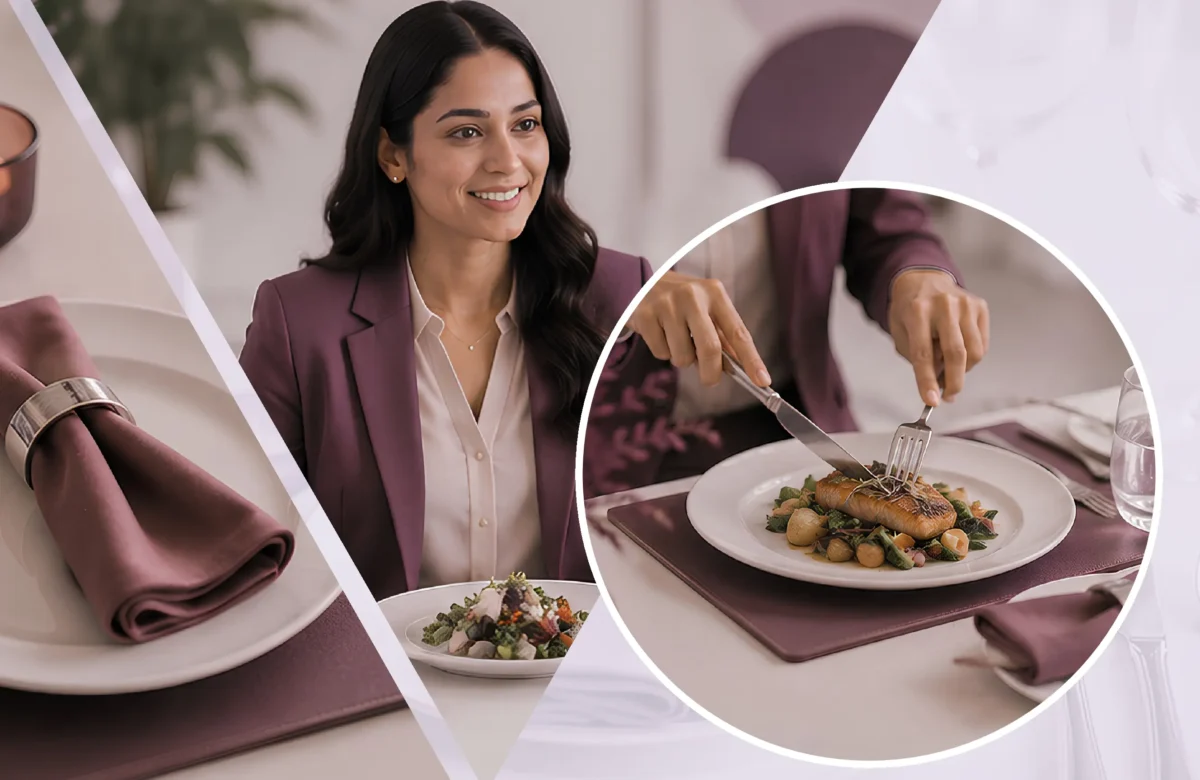
Dining Etiquette Every Professional Should Know for Business Lunches
Why Business Lunches Are About More Than Just Food
Business decisions are not always made in conference rooms. Many professional conversations happen over lunch, where the atmosphere is more relaxed, conversations flow naturally, and relationships have an opportunity to grow. Whether you’re meeting a client, discussing a partnership, or networking with industry professionals, the way you conduct yourself at the table can influence the impression you leave behind.
Unlike a casual meal with friends, a business lunch requires a balance of confidence, professionalism, and awareness. Good dining etiquette helps you focus on meaningful conversations while ensuring your behaviour reflects respect and professionalism. Combined with strong business etiquette, these skills help professionals build credibility beyond the workplace.
A Business Lunch Begins Before the Meal
Professional etiquette starts well before you sit at the table.
Arriving a few minutes early allows you to settle in and greet others without rushing. It also shows that you value the other person’s time. If you’re hosting the lunch, choose a venue that offers a comfortable environment where conversation can take place without unnecessary distractions.
Preparation also means understanding the purpose of the meeting. Whether the objective is relationship-building or discussing a project, having a clear idea of the conversation helps you remain confident throughout the meal.
Your Behaviour Sets the Tone
The first few minutes often determine how comfortable everyone feels.
A warm greeting, confident handshake, genuine smile, and polite introduction create a welcoming atmosphere. Once seated, maintain good posture and keep your attention on the people around the table rather than on your phone or other distractions.
Professionalism is reflected in small behaviours that make others feel respected and valued.
Ordering with Confidence
Many professionals overthink what they should order during a business lunch.
A practical approach is to choose something simple, easy to eat, and similar in price to what others at the table are ordering. Avoid meals that are overly messy or require excessive attention while eating, as they can distract from the conversation.
The goal is to enjoy the meal while keeping the focus on the meeting rather than the menu.
Let Conversation Lead the Experience
A successful business lunch is remembered for the quality of the discussion, not the food.
Allow conversations to develop naturally. Listen carefully, ask thoughtful questions, and encourage others to share their ideas. Avoid dominating the discussion or interrupting while someone else is speaking.
Business lunches provide an opportunity to understand people beyond their job titles, making conversations more genuine and productive.
Table Manners Reflect Professionalism
Good table manners create a comfortable dining experience for everyone.
Wait until everyone has been served before beginning your meal, chew quietly, avoid speaking with food in your mouth, and use your napkin appropriately. If you’re unfamiliar with formal table settings, don’t feel pressured to memorise every rule. Observing the host or following the pace of the meal is often enough.
Simple manners demonstrate confidence without appearing overly formal.
Keep Technology in the Background
Checking messages during a business lunch can unintentionally signal that something else is more important than the people at the table.
Unless there is an urgent situation, keep your phone on silent and out of sight. Giving your full attention to the conversation shows respect and helps build stronger professional relationships.
Being present is one of the simplest yet most valuable professional habits.
Handle the Bill Gracefully
The conclusion of the meal is just as important as the beginning.
If you invited someone to lunch, be prepared to pay without making the situation uncomfortable. If your guest offers to contribute, acknowledge the gesture politely before handling the bill professionally.
The objective is to end the meeting smoothly, allowing the relationship—not the payment—to remain the lasting memory.
What Professionals Often Remember
People rarely remember exactly what was ordered during a business lunch. Instead, they remember how the interaction made them feel.
They remember whether you listened attentively, respected their opinions, maintained professionalism, and created an enjoyable conversation. These qualities often influence future collaborations far more than technical expertise alone.
A positive dining experience strengthens trust and leaves the door open for future opportunities.
Final Thoughts
Business lunches offer more than an opportunity to discuss work—they provide a chance to build meaningful professional relationships in a relaxed environment. By combining good dining etiquette with respectful communication and thoughtful behaviour, professionals can create lasting impressions that extend beyond the meeting itself.
At The Etiquette Academy, we believe that confidence at the dining table is an essential professional skill. Learning practical business dining etiquette helps individuals communicate with ease, strengthen relationships, and represent themselves with professionalism in every corporate setting.

