
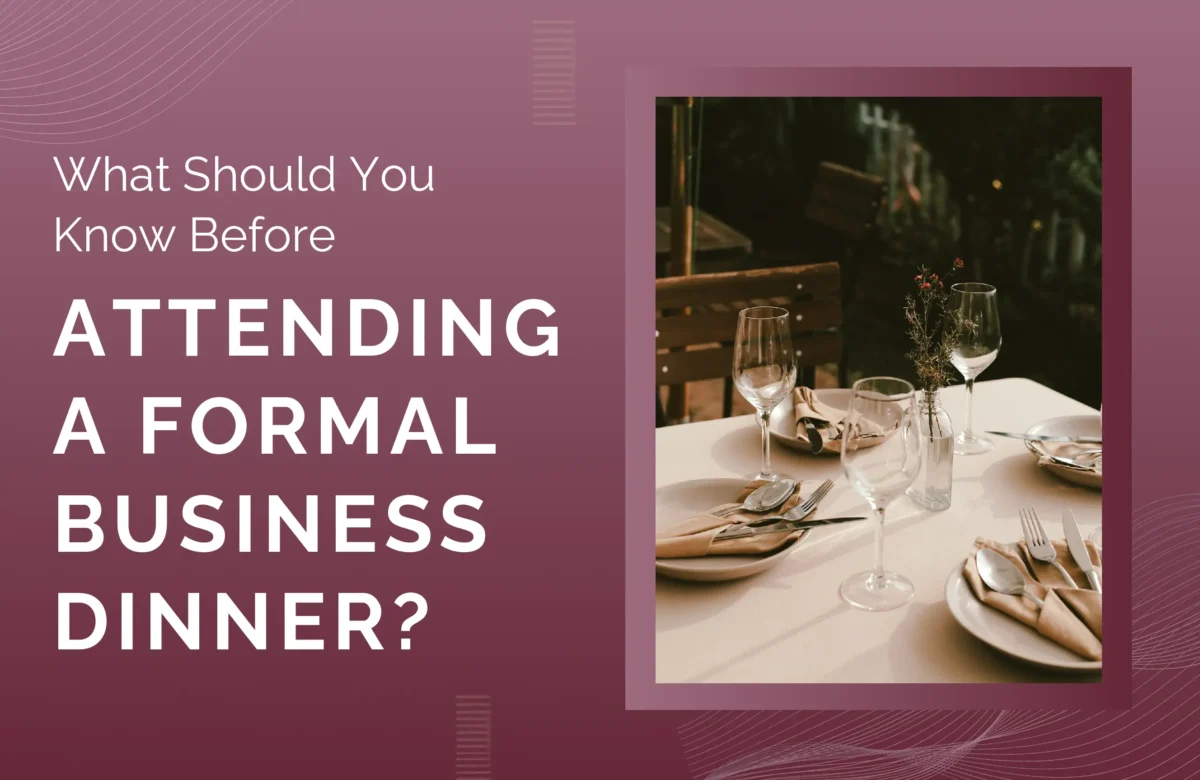
What to Know Before Attending a Formal Business Dinner | Dining Etiquette
A formal business dinner is more than just a meal. It is an opportunity to build professional relationships, strengthen trust, and represent yourself with confidence. Whether you are meeting a client, attending a networking event, or dining with senior leaders, your behaviour at the table contributes to the impression you leave behind.
Many professionals focus on the conversation or the business agenda but overlook the importance of dining etiquette. Understanding a few essential principles can help you feel prepared and comfortable, allowing you to focus on meaningful interactions rather than worrying about table manners.
Preparation Begins Before You Arrive
Be Ready to Represent Yourself Professionally
A business dinner is an extension of the workplace, where your behaviour reflects your professionalism. Every interaction—from introducing yourself to engaging in conversation—contributes to the impression you leave on clients, colleagues, or business associates.
Rather than focusing only on dining rules, prepare yourself to communicate confidently, listen actively, and participate in conversations with genuine interest. These qualities often leave a stronger impression than simply knowing which cutlery to use.
First Impressions Matter
The first few moments often set the tone for the evening.
Greeting others warmly, introducing yourself confidently, and maintaining positive body language create an immediate sense of professionalism. A genuine smile, good posture, and eye contact help make interactions feel welcoming and respectful.
These small actions help establish confidence before the meal even begins.
Understand the Table Setting
Formal dining tables may include multiple pieces of cutlery, glasses, and plates, which can feel overwhelming if you are unfamiliar with them.
The good news is that you do not need to memorise every rule. A simple guideline is to use the utensils from the outside and move inward with each course.
If you are ever unsure, observing the host or following the pace of the table is perfectly acceptable.
Wait Before Beginning Your Meal
One of the most important dining practices is knowing when to start eating.
In most formal settings, it is courteous to wait until everyone has been served or until the host signals that the meal may begin.
This creates a comfortable atmosphere and ensures everyone shares the dining experience together.
Keep the Conversation Professional
A business dinner provides an opportunity to connect with people outside the office environment.
Conversations should be engaging, positive, and inclusive. Avoid controversial topics or discussions that may make others uncomfortable.
Instead, focus on shared interests, industry insights, current trends, or light professional conversations that encourage participation from everyone at the table.
Being a good listener is just as important as speaking confidently.
Be Mindful of Technology
Giving your full attention to the people at the table demonstrates professionalism.
Avoid checking your phone unless there is an urgent reason. Frequent interruptions from calls or messages can distract from the conversation and may appear disengaged.
Keeping your phone on silent and out of sight allows you to remain present throughout the meal.
Follow the Host’s Lead
Every business dinner may have slightly different customs depending on the occasion, culture, or organisation.
Pay attention to the host’s actions regarding seating, ordering, beginning the meal, and concluding the dinner. Observing and adapting to the setting helps you feel more confident without drawing unnecessary attention to yourself.
Flexibility is often more valuable than trying to follow every formal rule perfectly.
Simple Dining Habits That Leave a Positive Impression
Professional dining is often influenced by small details rather than grand gestures.
Some simple habits include:
- Arrive on time.
- Sit with good posture.
- Use your napkin appropriately.
- Chew with your mouth closed.
- Avoid speaking while eating.
- Thank the host before leaving.
- Maintain polite and professional conversation.
These behaviours help create a comfortable experience for everyone at the table.
Confidence Comes Through Practice
Many professionals feel nervous before attending their first formal business dinner. This is completely normal.
Confidence develops through experience and awareness. The more familiar you become with professional dining situations, the more naturally these behaviours become part of your routine.
Remember that people appreciate authenticity and professionalism far more than perfection.
Final Thoughts
A formal business dinner is an opportunity to strengthen professional relationships while demonstrating confidence, awareness, and good judgement. Understanding basic dining etiquette helps you focus on meaningful conversations instead of worrying about the setting.
Professional success is often influenced by the way people make others feel during everyday interactions. By approaching business dinners with preparation, courtesy, and confidence, you can leave a positive and lasting impression.
At The Etiquette Academy, we believe that dining etiquette is an essential life skill that supports professional growth and meaningful relationships. Learning these practical skills helps individuals navigate formal business occasions with confidence and poise.

