
Course
Etiquette for Youth: Polished Young Personalities
A
Etiquette for Children and Youth: Polished Young Personalities
services
Etiquette for Children and Youth: Polished Young Personalities


Empowering Young Minds with the Correct Etiquettes
Binox Offerings
- We believe that the human essential to start any successful project and that this where splendid emotion between the re-generated company.
- We believe that the human essential to start any successful project and that this where splendid emotion between the re-generated company.
- We believe that the human essential to start any successful project and that this where splendid emotion between the re-generated company.
What's included binox service?
- Multi-state payroll processing
- National benefit products
- HR reporting
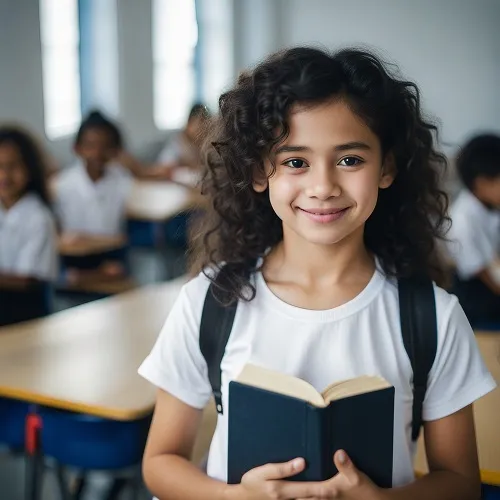
Course Description
- This module introduces young learners to the foundational skills of effective communication. They will understand the difference between verbal and non-verbal communication and learn how to express themselves with clarity, respect, and confidence in social situations.
- Body Language, Body Talk & Facial Expressions : This session will equip the learners with the knowledge of using appropriate facial expressions, eye contact, posture, and gestures to enhance self-presentation.
- Conversation Skills : This instructional module focuses on developing children's conversational skills related to topic initiation, maintenance, and topic appropriateness. The curriculum also emphasizes the utilization of polite expressions, such as "please" and "thank you," to foster social refinement.
- Tact & Discretion : This session instructs children on cultivating thoughtful communication and acting with kindness and empathy. Participants will acquire skills to express opinions respectfully, uphold privacy, and enhance emotional intelligence within everyday interactions.
- Tact & Discretion : This session instructs children on cultivating thoughtful communication and acting with kindness and empathy. Participants will acquire skills to express opinions respectfully, uphold privacy, and enhance emotional intelligence within everyday interactions.
- How to Be a Skilful Conversationalist : This module will help the participant in developing practical proficiency in active listening, fostering inclusive dialogue, and encouraging reflective responses. The objective of this unit is to establish the steps and rules essential to be a master conversationalist.
- Voice, Speech & Elocution : Through structured grammatical exercises, refined enunciation practices, and advanced vocal techniques, the participants will cultivate highly effective speaking skills. They will learn resourceful skills like breathing techniques, voice modulation, sentence phrasing, and voice projection across a range of informal and formal contexts.
- Using the Telephone – Talking & Texting : Participants will learn modern etiquette for mobile phones and digital platforms. This includes making and receiving calls politely, proper mobile phone behaviour, and respectful texting manners, ensuring responsible and courteous use of technology.
- Cyber Civility and Social Networking This module empowers youth to navigate the digital world with integrity. Participants will explore the do’s and don’ts of social media etiquette, cyberbullying prevention, and the golden rules of respect and safety on social media and digital platforms.
- Public Speaking The Public Speaking module equips participants with the foundational skills to speak confidently and effectively in front of an audience. Learners will focus on thorough preparation, including structuring their message and understanding their audience. The session also emphasizes the importance of personal presentation, posture, and vocal delivery, helping participants project clarity, confidence, and composure in every scenario.
- Entering a Restaurant : This module introduces young adults and teens to the correct way of entering a restaurant with poise. They will learn how to acknowledge hosts, wait to be seated, and navigate social cues with confidence in dining environments.
- Being Seated, Placing Handbags at the Table, and Napkin Etiquette : This module focuses on the subtle yet important details of proper table behaviour, beginning with the etiquette of being seated—waiting for the host’s cue, pulling out chairs gracefully, and maintaining good posture. Participants will also learn the correct way to place handbags or personal items, and essential napkin etiquette.
- Ordering : This topic teaches youth how to politely place an order, speak clearly with service staff, and show consideration for dining companions. They will also learn how to navigate the menu with confidence.
- Being Served : The learners will learn how to respond graciously to being served food, maintain proper table manners, and express appreciation in a respectful manner.
- Serving Yourself : Learners will be guided on how to serve themselves in a tidy, polite manner, and maintain consideration for others while doing so.
- When to Start : Understanding when to begin eating is a key part of dining etiquette. Learners will learn how to wait appropriately, observe social cues, and follow the host’s lead in formal and informal settings.
- Table Setting (British, Indian, and Oriental) : Participants will be introduced to the basics of formal and cultural table settings. They will explore how to recognize and arrange British, Indian, and Oriental place settings, building global awareness and fine dining confidence.
- The Use of Cutlery : This session teaches the correct handling of cutlery, including forks, knives, and spoons, as well as an introduction to using chopsticks properly—empowering learners with adaptable skills across diverse dining environments.
- Going Through the Meal (British, Indian, and Oriental Table Manners) : The participants will be guided through meals across multiple cultures, learning how to eat each course gracefully, and responding to different dining customs.
- Toasting : This module introduces young learners to the art of raising a toast in appropriate situations. They’ll learn when to toast, how to do so respectfully, and how to respond when others do.
- Excusing Yourself from the Table : Learners will gain confidence in excusing themselves from the table politely and appropriately, ensuring minimal disruption and demonstrating good manners.
- Ending the Meal : This segment teaches how to conclude a meal respectfully, push in chairs, thank the host or staff, and exit the table with poise—leaving a positive and polished impression.
- Paying for Your Meal : This module teaches participants the etiquette of handling the bill in both social and formal dining settings. Learners will explore who pays and when, how to split the bill politely, and tipping practices.
- Buffet Meals : This module guides participants in navigating self-service dining with grace and consideration for others. Learners will understand how to move through a buffet line politely, serve appropriate portions, and avoid common buffet faux pas.
- Fast Food Restaurants : This module teaches participants how to maintain good manners and social grace even in casual dining settings. Learners will understand how to order politely, wait patiently, use appropriate language with staff, and clean up after themselves.
- The Basics of Tea & Coffee Etiquette : Learners will understand the proper way to serve and enjoy tea and coffee in both social and formal settings, including the use of milk, sugar, and lemon, appropriate stirring techniques, and how to hold the cup correctly.
- Positive vs. Negative Attire : This module focuses on positive vs. negative attire. This session guides participants in recognizing how thoughtful grooming and appropriate clothing choices can enhance confidence and credibility.
- Making First Impressions : This session reinforces the importance of personal presentation and how attire, grooming, and posture contribute to creating strong, positive first impressions. The learners will gain confidence in presenting their best self.
- Dress Codes (Black Tie, Smart Casual) : Learners will be introduced to the basics of formal and semi-formal dress codes. This includes understanding what to wear for Black Tie and Smart Casual events, giving them the tools to dress correctly and feel confident in a variety of settings.
- Dressing for Leisure Activities : The learners will explore suitable attire for leisure activities like horse riding, tennis, and golf, ensuring they maintain elegance, function, and etiquette.
- Host Duties : This module guides young learners on how to be thoughtful and well-organized hosts. They will learn how to create guest lists, send invitations, and plan parties that are welcoming, fun, and engaging. Emphasis is placed on hospitality, attention to detail, and making guests feel comfortable.
- Guest Duties : Being a respectful guest is just as important as being a good host. This session covers how to accept or decline invitations graciously, respond promptly, and show gratitude and good behaviour while attending events.
- At the Party : Learners will be introduced to important social behaviours while attending events, such as answering the door, and making polite introductions. They’ll also explore the etiquette of giving and receiving gifts and compliments with sincerity and respect.
- When the Party's Over : This session teaches learners how to leave a party gracefully, thank the hosts, and follow up with a heartfelt thank-you note. These small gestures reinforce courtesy, appreciation, and empathy.
- Out & About : This practical module teaches young learners how to behave courteously in various public spaces. They will explore etiquette for doors and chairs, how to navigate stairs and escalators safely, and conduct themselves respectfully in lifts/elevators. The focus is on thoughtfulness, safety, and spatial awareness in shared environments.
- Courtesies of Society / Public Manners : This session highlights the expected behaviour in a range of public and social venues. Participants will learn appropriate manners for the cinema, theatre, opera, museums, galleries, and stores. Additional guidance will be provided on public restroom etiquette and the correct way to behave on public transportation and a universal set of social rules that apply in any public setting. Emphasis is placed on respect, patience, and minimizing disruption to others.
- Proper Posture : In this foundational session, participants will learn how to carry themselves with strength and elegance. The focus is on the correct posture, placement, and alignment of the upper and lower body.
- Proper Poise & Deportment : This module helps young learners understand the importance of subtle yet controlled body movements such as the positioning of fingers, arms, hands, and feet. It also includes techniques for sitting, standing, entering and exiting a car, and walking gracefully.
- The ABC’s of First & Lasting Impressions : This session teaches learners how to create positive first impressions that lead to lasting connections. They will also learn how to present themselves with confidence and authenticity through appearance, behaviour, and effective communication, leaving a lasting impression.
- Greetings & Introductions : This module teaches participants the essentials of respectful and confident greetings. They will practice clear self-introductions using appropriate body language and eye contact, understand the difference between good and bad handshakes, and learn the proper order and language for introducing others—including adults, friends, and dignitaries. The session also covers how to handle group introductions with clarity and composure, helping learners navigate social settings with ease and confidence.
Course Outcome
Who Should Attend?

Children (6-12)
Young learners who are just now discovering the world of social
interactions and need foundational etiquette skills.
Pre-Teens (10-13)
Teenagers (Ages 14-17)
Parents
FAQs
Etiquette teaches kids and youth how to develop social skills, which imparts them with confidence and respect for other people. Even at the childhood stage, learning manners allows for an appropriate environment for socialization in school, at home, or in social events. It instructs the child on how to present themselves favorably and appropriately in all situations. Etiquette for the little ones now begins with 'please' and 'thank you.' These couple of words help instill fundamental habits of thankfulness and gratefulness. You reach more advanced levels of youth etiquette as they grow older, entering into complex social behavior participation which may include situations at work or discussing respectfully while managing formal events.
Parents must also educate children on etiquette, such as good table manners while eating. Practice simple habits of washing hands before eating, sitting up, and using utensils in the right places with the children. For little kids, colorful plates and child-friendly cutlery could be useful during these practices. Explain the ways that children can be made to engage in polite conversation around the table, encourage not to use their cell phones or watch TV, and witness parents engaged in polite behavior such as chewing with the mouth closed, saying "excuse me" when leaving the table, and waiting for everyone to be served before eating. For instance, role-playing games as if going to a restaurant, can be very amusing. For instance, parents might ask their children to serve them a pretend meal, allowing them to practice pouring water without spilling or asking politely for the salt. In due course, the child gets accustomed to these habits and gets himself prepared for dinner with his family or friends.
Digital etiquette or netiquette has been defined as the responsible and proper conduct while using the Internet. For youth, this is especially important as they navigate social media, messaging platforms, and online learning environments. The core elements include preventing cyberbullying, avoiding violations of others' privacy, and proper use of language. Educate the youth that everything they put or share online has the potential to have a lasting impact. What a lot of people tend to forget is that even when posts are deleted, they can still be captured as screenshots and shared. Let them pause and think before posting. The other important aspect would be the respect of people's time and attention. One should not spam, avoid unwarranted late-night chattering, or be wordy in emails or texts. Such lifestyles balance online and offline practices for youth, making their digital habits healthier and less dependent on technology to communicate.
Etiquette training is encouraged not only in school daily activities but also as part of the school curriculum. Therefore, there is a show of respect through raising hands before talking, and then listening attentively to others waiting for one's turn to talk. Such practices encourage respect amongst people and orderly behavior. Schools can also organize special lectures on social etiquette for students, like greeting people, eye contact, or showing gratitude. Role-playing makes the student realize how one should greet a teacher or classmate they are meeting for the first time or after class or even during recess. Debates or student councils, for example, offer opportunities to learn formal speech and leadership etiquette. Dining etiquette can be taught in schools through formal lunches or by teaching students how to go through various cultural customs and expand their global awareness.
Public etiquette helps the young people share places in a respectful and responsible way. Some of the basic rules include keeping noise to a level, not littering, and respecting others personal space. Whatever the setting is, be it a park, shopping mall, or public transport, learning about respect for communal settings ensures harmonious interaction among the youth. For example, when they are using public transport, they should give up their seats to the elders or handicapped persons and avoid occupying the corridors. When in public gatherings like concerts or sporting events, they should respect others’ enjoyment by avoiding disruptive behavior like pushing or shouting. These teachings can be reinforced through the very basic action of underlining examples in everyday life. Most importantly, if youth are encouraged to emulate adults through respectful behavior, most youths will do so. Persistent teaching of public manners leads to much more pleasant and respectful communities.
Monday - Saturday : 09:30 am - 07:30 pm

Transform your personal and professional life with confidence.
